Your Suffering Is Their Business Plan: How Wellness Influencers Built Empires on Your Worst Days

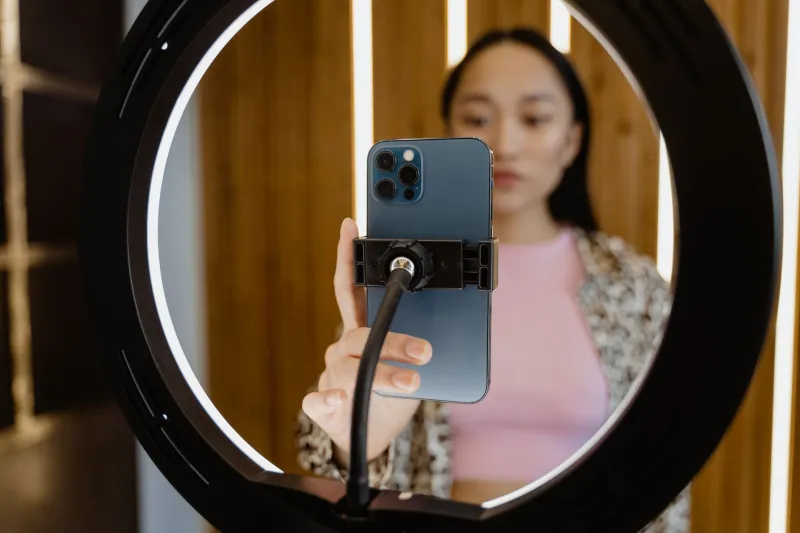
Photo: Damientan14, CC BY-SA 4.0, via Wikimedia Commons
Somewhere right now, a woman with flawless lighting and a bamboo cutting board is explaining why your cortisol levels are destroying your life. She's got a smoothie the color of a traffic cone, a ring light that costs more than your car payment, and an unwavering conviction that she has figured out the thing your doctor, your therapist, and your actual lived experience have all failed to deliver. The thing, of course, is a $97 digital course called Reclaim Your Radiance.
Welcome to the wellness industrial complex — where your genuine suffering is the raw material and someone else's beach house is the finished product.
The Vulnerability Download
Here's how the playbook works, and it works beautifully. Step one: share the breakdown. The wellness influencer doesn't arrive in your feed announcing they've always had it together. No, they arrive with a story — adrenal fatigue, mystery illness, crippling anxiety, a toxic relationship, a body they hated, a life that looked fine from the outside while quietly collapsing from within. Sound familiar? It's supposed to. The origin story isn't incidental to the brand. It is the brand.
The breakdown narrative does two things simultaneously. It creates intimacy — this person has been where you are, they get it in a way your HMO-assigned therapist with a 40-person caseload simply cannot. And it establishes authority — because if they survived the darkness and emerged into this sun-drenched kitchen with their cortisol balanced and their gut healed, then obviously they know something you don't.
What they actually know is that vulnerability, when packaged correctly, converts at an extraordinary rate.
Pseudo-Science With Good Branding
The content itself is a masterwork of strategic ambiguity. Nothing is ever quite specific enough to be verifiably wrong, but it's always specific enough to feel like information. Seed cycling for hormonal balance. Nervous system regulation through cold plunges. Heavy metal detox protocols that would make an actual toxicologist laugh until they cried. Gut microbiome content delivered with the casual authority of someone who definitely did not learn everything they know from a three-hour YouTube rabbit hole in 2019.
The magic ingredient is the unfalsifiable claim. When you try the $45 adaptogen powder and feel no different, the explanation is already baked in: you haven't healed your relationship with stress yet, you're probably still eating inflammatory foods, your mindset isn't aligned. The product didn't fail. You haven't done the inner work. It's a closed loop engineered to redirect blame while keeping your credit card on file.
Actual registered dietitians and licensed therapists — people who spent years in accredited programs learning the difference between a peer-reviewed study and a testimonial — are out here making $60,000 a year while the woman who "healed her adrenals" through journaling and a $200 supplement stack is pulling seven figures. The market has spoken, and the market has decided that a before-and-after photo is worth more than a clinical trial.
The Price of Entry Keeps Changing
The genius of the wellness influencer economy is that it presents itself as democratizing health. The free content! The daily affirmations! The breathwork videos! Come on in, the healing is free. Except the free content is a funnel, and the funnel has a bottom, and the bottom is a product ecosystem that would make a pharmaceutical company blush.
It starts with the free posts. Then the free webinar. Then the $27 ebook. Then the $97 course. Then the $497 group coaching program. Then the $2,000 mastermind. Then the monthly subscription box with the supplements she personally curates — which she also personally profits from through an affiliate arrangement she may or may not have disclosed in text smaller than a dental contract.
At every step, the implicit promise is the same: this is the piece you were missing. The ebook didn't fix it because you needed the course. The course didn't fix it because you needed the community. The community didn't fix it because you needed the one-on-one coaching. Your healing is always one more purchase away, which is, structurally speaking, identical to every other addiction model ever invented.
Why We Keep Showing Up
Here's the uncomfortable part — and Gonzo Knows doesn't do comfortable. We keep buying because the need is real. Chronic stress is real. The healthcare system failing people is real. Loneliness is real. The sensation that modern life is doing something genuinely terrible to your body and mind is not a delusion, it's a reasonable assessment of available evidence.
Wellness influencers didn't manufacture the demand. They just showed up to a burning building with a garden hose and a merch table and correctly identified that desperate people will pay for the feeling of doing something, even when that something is scientifically inert. Hope is a powerful product. The possibility of transformation — the before-and-after that could be yours — is more compelling than the honest answer, which is that most of this stuff is complicated, slow, and requires structural changes to your life that no supplement can substitute.
The actual research on what improves mental and physical health is, frankly, boring. Sleep. Movement. Social connection. Reducing chronic stress where possible. Therapy, when accessible. A reasonably balanced diet. None of that films well. None of that fits in a 60-second reel. None of that has an affiliate code.
The Snake Has Always Had Good Branding
Snake oil salesmen in the 1800s traveled town to town with miraculous cures for whatever ailed you. They were eventually run out of town, or occasionally arrested, which put a natural ceiling on the business model. The wellness influencer solved that problem by moving the whole operation to the internet, where nobody runs you out of town and the town is three hundred million people scrolling at midnight.
The repackaging is genuinely impressive. It's no longer a tonic from a wagon — it's a ritual. It's not a cure — it's a healing journey. It's not a sales pitch — it's a community. The language of spirituality and self-compassion has been reverse-engineered into the most effective marketing vocabulary in the history of consumer culture, and it's being deployed against people who are already hurting.
That's not an accident. That's a business model.
Your insecurities aren't a character flaw. Your desire to feel better in your own body and mind is one of the most human things about you. But the next time someone in a linen set tells you that your unhealed trauma is causing your thyroid issues and she has a protocol for that, maybe check whether her credentials come from an accredited institution or a weekend certification course she also sells.
The wellness influencer knows your worst days intimately. She built a content calendar around them.