You Didn't Cut the Cord. You Just Handed It to a Different Set of Suits.
You Didn't Cut the Cord. You Just Handed It to a Different Set of Suits.
Remember the smug satisfaction of canceling cable? That phone call where you told the Comcast rep — politely, then less politely, then with the barely contained energy of a man who has been on hold for forty-seven minutes — that you were done? That you had options now? That the future was streaming and it was glorious and it was like eight bucks a month?
Buddy. Oh, buddy. They saw you coming from a mile away.
The streaming wars are officially over. The battlefield is littered with dead shows, canceled originals, and the smoldering wreckage of every perk that made these platforms worth a damn in the first place. And you — the loyal, auto-renewing, password-sharing-until-they-made-you-stop subscriber — you're the one footing the cleanup bill. Congratulations on your freedom.
The Revolution Was Televised, Then Monetized, Then Enshittified
Let's not pretend this wasn't a great ride for a while. Netflix in its prime was genuinely disruptive. Binge-watching wasn't just a feature — it was a cultural rewiring. Suddenly you could blow through an entire season of Breaking Bad in a weekend and feel like you'd accomplished something. Hulu let you catch up on network shows without a DVR. Amazon threw Prime Video in like a bonus fry at the bottom of the bag.
The pitch was simple and it was clean: pay a small flat fee, get everything, no commercials, cancel anytime. It was the anti-cable. It was the thing that made your parents' $200-a-month Comcast bundle look like a relic of a stupider age.
Then the suits started doing math.
Disney realized they were sitting on Marvel, Star Wars, Pixar, and sixty years of nostalgia and were just handing it to Netflix for a licensing fee. So they yanked it all back and launched Disney+. Then HBO decided they needed to be in the direct-to-consumer game, so Max appeared. Then NBCUniversal said hold on, we've got the Olympics and old episodes of The Office, and Peacock was born. Then Paramount+. Then Apple TV+. Then a dozen more, each one dangling exactly one show you actually wanted to watch.
The cord didn't get cut. It got frayed into thirty smaller cords and you're paying for all of them.
The Password-Sharing Crackdown Was a Preview of the Whole Game
For years, Netflix quietly tolerated the fact that you were using your college roommate's login. It was an open secret, practically a social contract. Then, sometime around 2023, Netflix decided the free ride was over and launched its crackdown with the energy of a landlord discovering you'd been subletting.
The move was cynical, calculated, and — here's the part that stings — it worked. Subscriber numbers went up. Revenue climbed. The rest of the industry watched, nodded, and took notes. Because that's how this goes now. One platform tests something annoying, the others wait to see if subscribers revolt or just shrug and swipe their cards, and when it's the latter, everyone follows suit.
Spoiler: it's almost always the latter.
Ad Tiers Are Just Cable With Better Fonts
Here's a sentence that would have sounded like satire in 2015: Netflix now has an ad-supported tier. So does Disney+. So does Peacock. So does Max. So does Hulu, which always had ads but now has more ads.
Think about what that means for a second. The entire value proposition of streaming — the whole reason people threw a parade when they canceled cable — was no commercials. That was the deal. You pay a subscription, you watch uninterrupted, everyone's happy. Now the platforms have engineered a two-tier system where you pay less to watch ads, or pay more to not watch ads, and somehow both options feel like you're getting played.
They've rebuilt cable. They literally rebuilt cable. They just gave it a cleaner interface and called it disruption.
The Content Purge Nobody Talks About Enough
While subscribers were distracted by price hikes and password policies, something quieter and arguably more sinister was happening in the background: the great content vanishing act.
Shows that people loved — actually, genuinely loved — started disappearing from platforms without warning. Not just licensing shuffles, but originals that studios produced, promoted, and then memory-holed for tax write-off purposes. Max wiped entire movies that they made. Netflix has a graveyard of canceled shows that got axed after one season, leaving storylines dangling like a conversation someone just walked away from mid-sentence.
You're not buying access to a library. You're renting a shelf that the store rearranges whenever it's financially convenient. The thing you watched last month might not exist next month. That's not a streaming service. That's a mood.
So Where Does That Leave the Rest of Us?
Here's the honest math. The average American household now subscribes to four or more streaming services. The average monthly spend on those subscriptions has climbed back up toward — and in some cases past — what people used to pay for cable. The difference is that cable, for all its sins, at least gave you live sports, local news, and a single bill.
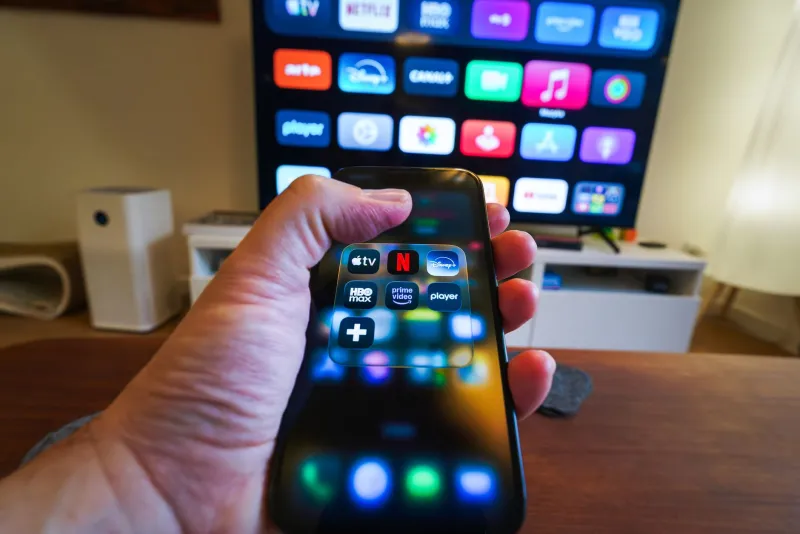
Now you've got six apps, three different logins, a Roku remote with seventeen shortcut buttons, and a rotating schedule of "what's leaving at the end of the month" anxiety that has replaced actual leisure time.
The suits won. They absorbed the disruption, rebuilt the old model with better branding, and trained an entire generation to feel grateful for the privilege of paying more for less — as long as the interface is slick enough and the recommendation algorithm occasionally nails it.
Gonzo Knows the Score
None of this means streaming is going away. It's not. The convenience is real, the good content still exists (somewhere, buried under seventeen true crime docuseries), and most people aren't going back to a cable box no matter how bad it gets.
But let's at least stop pretending we won something. The cord-cutting revolution didn't dismantle the machine — it gave the machine a software update and a marketing rebrand. We handed the cord to a different set of suits, watched them slowly tighten it, and nodded along because at least we could watch it in 4K.
Next time someone tells you streaming is the future, ask them how much they're paying for it. Then watch their face do the math.