Your Childhood Is a Product Now and They're Running a Flash Sale Every Single Weekend
Your Childhood Is a Product Now and They're Running a Flash Sale Every Single Weekend
Somewhere in a conference room that smells like expensive coffee and quiet desperation, a team of executives is right now discussing how to make you feel eight years old again — and how much they can charge you for the experience.
Nostalgia, that warm and involuntary flood of feeling that used to arrive uninvited and leave you weirdly emotional in a grocery store parking lot, has been industrialized. Systematized. Turned into a quarterly revenue strategy with its own dedicated department and KPIs. The feeling hasn't changed. The machinery extracting money from it, however, has become extraordinarily sophisticated.
And you — sentimental, well-meaning, perpetually susceptible you — are the raw material.
How a Feeling Became a Financial Instrument
Let's trace the evolution, because it didn't happen overnight.
Nostalgia as a commercial tool is nothing new. Coca-Cola has been selling you the idea of simpler times since approximately the Eisenhower administration. But what's happened in the last decade or so is something categorically different. The entertainment and consumer goods industries didn't just discover that nostalgia sells — they reverse-engineered the emotional experience itself and built a reliable production pipeline around it.
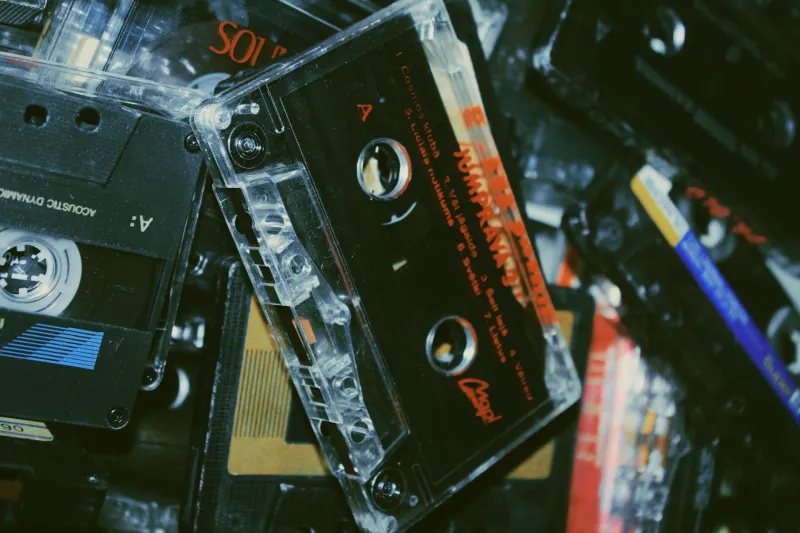
The formula is almost insultingly simple once you see it. Take something a large demographic loved between the ages of six and fourteen. Announce its return with carefully calibrated fanfare. Price it at a premium that would have seemed obscene in the original era. Watch the pre-orders roll in from people who already own three versions of the thing they're about to buy again.
Reboots. Reunion tours. Throwback menu items. Limited edition packaging. "Reimagined" sequels to films that didn't need sequels and got them anyway. Each of these is a delivery mechanism for the same product: a chemically pure hit of manufactured memory, priced accordingly.
The Reboot Industrial Complex
Hollywood has essentially admitted, through its behavior if not its press releases, that original ideas are a risky investment and your childhood is a proven commodity.
Consider the sheer volume of intellectual property being resurrected, rebooted, reimagined, or "expanded" at any given moment. Every streaming platform is currently running at least one show that exists primarily because the title triggers recognition in people between the ages of 25 and 45 — the demographic with disposable income and an unresolved relationship with the past. The content itself is sometimes genuinely good. Often it's merely adequate. It doesn't entirely matter, because the subscription was sold before a single frame was shot.
The pitch isn't "here is a great new story." The pitch is "here is something that made you feel safe once, and we have more of it, and it's only $15.99 a month."
That's not storytelling. That's emotional arbitrage.
Ticketmaster and the Reunion Tour Economy
The music industry's version of this racket deserves its own uncomfortable spotlight.
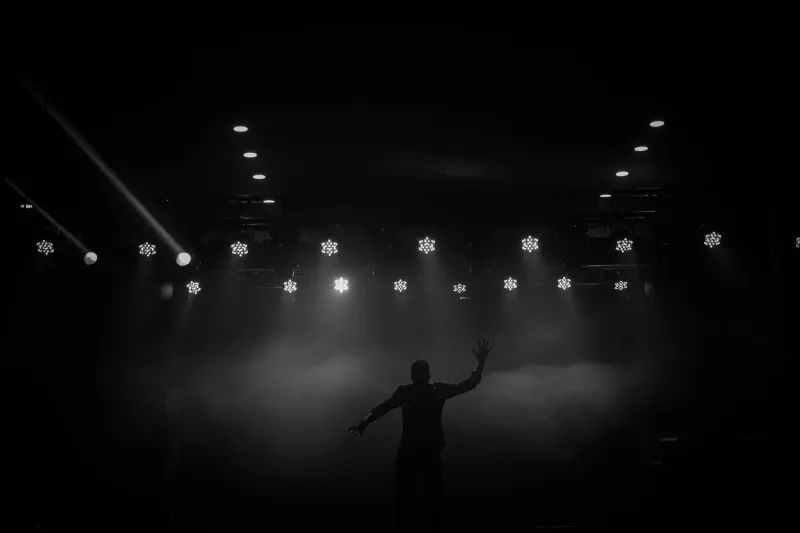
Reunion tours have become one of the most reliable cash generation events in live entertainment — not because the music is better than it was the first time, but because the audience is older, more financially stable, and acutely aware that they're running out of opportunities to see these acts perform. Scarcity, real or manufactured, is a powerful pricing lever.
What used to be a genuine, occasionally awkward reconciliation between estranged band members has become a scheduled business event with a five-year rollout and a merchandise line that would embarrass a theme park. The emotion is real. The engineering behind monetizing that emotion is equally real and considerably less romantic.
And the ticket prices. Let's talk about the ticket prices. You will pay $300 to stand in an arena and watch people in their sixties perform songs from 1987, and you will feel grateful for the opportunity, and the entire transaction will be structured to make sure that's exactly how you feel.
The Fast Food Nostalgia Trap Is Almost Too Brazen to Acknowledge
At least Hollywood has the decency to dress its nostalgia mining in the language of creative legacy. The fast food industry just comes right out and does it.
"The [beloved menu item] is BACK — for a limited time!" This sentence has generated more consumer excitement than it has any right to. A discontinued sandwich. A discontinued sauce. A flavor of chip that disappeared in 2009. These things return with the fanfare of a moon landing, create artificial urgency through limited availability, and vanish again — only to reappear eighteen months later when the quarterly numbers need a boost.
The "limited edition" and "throwback" packaging strategies work on the same principle. Slap a retro logo on a product, price it at a slight premium, and watch people who lived through the original era buy it out of reflex. You're not buying the product. You're buying the feeling the product once represented, which is a completely different transaction that nobody explicitly agreed to.
The Honest Part — and There Has to Be One
Gonzo Knows has a policy: if we're going to call something out, we have to be willing to look at our own hands in the process.
The reason this machine keeps running isn't that corporations are uniquely evil or that marketing departments have discovered some dark psychological magic. It's that the underlying feeling — genuine longing for a time when the world felt smaller and more manageable — is completely real and completely human. You're not stupid for responding to it. You're not weak for buying the ticket or streaming the reboot or ordering the returning menu item.
You're just a person who misses something. That's not a character flaw. It's the most relatable thing in the world.
But there's a meaningful difference between experiencing nostalgia and being systematically farmed for it. Between a memory arriving on its own terms and a corporation triggering that memory on a content calendar because Q3 is looking soft.
The feeling is yours. The machinery extracting money from it belongs to someone else entirely.
Swipe Accordingly
None of this is going to stop. The nostalgia economy is too profitable, too scalable, and too perfectly calibrated to the emotional needs of the largest consumer demographics on earth. The reboots will keep coming. The reunion tours will keep selling out. The discontinued snack will keep returning, slightly more expensive, in packaging designed to make you feel like you found something instead of bought something.
All Gonzo is saying is: go in with your eyes open. Enjoy the thing if the thing is enjoyable. Feel the feeling — it's a good feeling. Just maybe notice, somewhere in the back of your mind, that someone built a very profitable pipeline directly into it.
Then decide how much that's worth to you.
They already know exactly how much it's worth to them.