They Promised You Freedom From Cable and Then Built a New Cable With Extra Steps
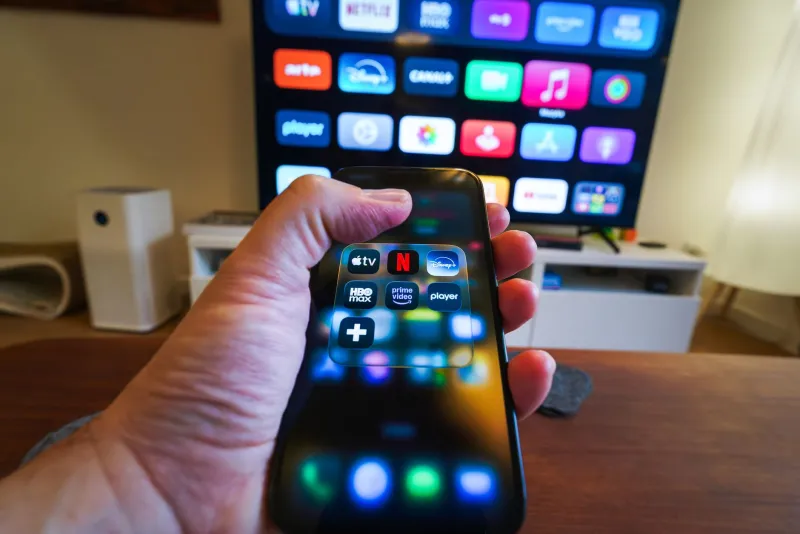
There was a moment — a genuinely electric, culturally clarifying moment — when canceling your cable subscription felt like a political act. You weren't just saving money. You were winning. You were the scrappy insurgent who figured out the scam, yanked the cord from the wall, and walked into a sunlit future where you paid ten bucks a month for exactly what you wanted and not a single cent for the Golf Channel or the Home Shopping Network.
That moment is dead. It has been dead for a while. And the people who killed it are the same ones who sold you the revolution in the first place.
Welcome to 2025, where the average American household is paying somewhere between $85 and $120 per month across multiple streaming subscriptions — and that's before you've added the "premium" tier to skip the ads that showed up after they promised you there would never be ads. For context, the average cable bill in 2005 was around $50. Do the math. Actually, don't — it'll ruin your morning.
The Bait Was Genuinely Good, Though
Let's be fair to the dream for one paragraph, because it deserves a eulogy before we bury it.
Netflix in 2010 was a revelation. Eight bucks a month. No commercials. Watch whatever, whenever, on whatever device you had lying around. HBO was for people with money and patience. Blockbuster was already a ghost. And here came this little red envelope company, reborn as a streaming service, whispering that the old gatekeepers were finished.
Hulu followed. Amazon threw Prime Video into the mix like a free toy in a cereal box. And for a few golden years, cord-cutting was genuinely, measurably cheaper. People ran the numbers on Reddit and the forums and the personal finance blogs, and the case was airtight. You could get everything you needed for under $20 a month. The cable companies were cooked.
Except they weren't cooked. They were taking notes.
The Consolidation Nobody Wanted to See Coming
Here's the part where the story stops being a liberation narrative and starts being a business school case study in patience and vertical integration.
Disney looked at Netflix's subscriber numbers and didn't see a competitor. It saw a template. So it launched Disney+, pulled its content off Netflix, and priced the new service at a number just low enough to feel like a no-brainer. Then it raised the price. Then it added an ad tier. Then it bundled it with Hulu and ESPN+ and called that a deal, even though you were now paying for three services you only partially wanted.
NBC launched Peacock. CBS launched Paramount+. HBO Max became Max, because nothing says "we respect our customers" like rebranding a beloved product for no discernible reason. Apple TV+ showed up with a handful of prestige originals and the quiet confidence of a company that doesn't actually need you to subscribe. Amazon kept adding channels inside its channel. Discovery merged with Warner Bros. and immediately started deleting finished shows to claim tax write-offs, which is a sentence that still doesn't feel real.
And through all of it, the content you actually wanted kept migrating. The show you loved on Netflix moved to Peacock. The movie you'd been saving moved to Max. The sports rights — God, the sports rights — got carved up and distributed across so many platforms that watching a full NFL Sunday now requires a spreadsheet and a mild dissociative episode.
Let's Do the Uncomfortable Math
A household that wants a reasonable spread of content in 2025 is looking at something like this:
- Netflix Standard with ads: $7/month (or $15 without ads, because of course)
- Disney Bundle (Disney+, Hulu, ESPN+): $14–$25/month depending on tier
- Max: $10–$16/month
- Paramount+: $6–$12/month
- Apple TV+: $10/month
- Amazon Prime Video (bundled with Prime): $9–$14/month depending on how you slice the membership
- Peacock: $6–$8/month
You don't need all of them at once, the optimists will say. You can rotate! Cancel one, binge, resubscribe later! And sure, technically, that's true. It's also exhausting, requires a calendar reminder system, and still ends up costing you more than you planned because you forgot to cancel before the billing cycle hit. Again.
The people who designed these systems know you'll forget. That's not a conspiracy theory. It's a subscription revenue model.
The Cable Company Was Never Really Losing
Here's the part that should make you put your coffee down.
Comcast — the company that was supposed to be the villain of the cord-cutting story, the Death Star that the scrappy streaming rebels were blowing up — still owns NBCUniversal, which owns Peacock. AT&T spun off WarnerMedia, which became Warner Bros. Discovery, which owns Max. Verizon and Charter and Cox are still the ones running the pipes that your Netflix streams through, and they've been quietly raising the cost of the broadband you need to stream anything at all.
The cable companies didn't lose the cord-cutting revolution. They absorbed it. They let Netflix and Hulu do the heavy lifting of convincing consumers to move their entertainment consumption to the internet, and then they either launched their own streaming services, acquired the ones that got big enough to matter, or simply waited to collect tolls on the infrastructure the whole thing runs on.
You didn't escape the bundle. You reassembled it yourself, one app at a time, with a worse interface and no customer service number to scream at.
The Revolution Had a Refund Policy and They Used It
The uncomfortable truth at the center of all this is that the suits were never actually threatened. They were inconvenienced, briefly. They watched, they studied, they pivoted, and then they rebuilt the old system inside a new aesthetic — one with autoplay previews and algorithm-driven homepages and the persistent, low-grade anxiety of wondering whether the show you're halfway through is about to get canceled.
The language of disruption got co-opted so completely that the word "streaming" now means exactly what "cable" used to mean, minus the physical remote and plus a monthly price increase you didn't notice because it happened in $1 increments over three years.
You wanted à la carte. You got a buffet with a cover charge, a drink minimum, and a parking fee.
The cord-cutting generation didn't lose because they were wrong about what they wanted. They lost because they won the first battle and then got comfortable, and the people on the other side of the table have been playing this game for fifty years and are extremely good at waiting for everyone to forget what they were originally angry about.
Gonzo knows: the revolution wasn't televised. It was streamed, monetized, and quietly folded back into the quarterly earnings report.