Crying on Camera While the Sponsored Content Loads: The Influencer Apology Racket
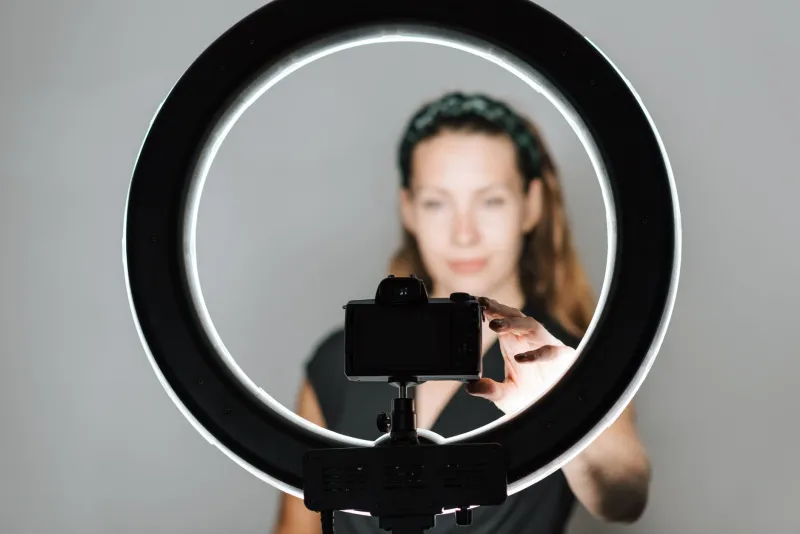
There is a specific kind of video that lives rent-free in the collective brain of the American internet, and you already know exactly what it looks like. The creator sits close to the camera — always close, always intimate, like they're confessing to a priest who happens to have 4.2 million subscribers. The lighting is soft but not too soft. The eyes are wet but not too wet. There's no intro music. No sponsored segment. Not yet, anyway.
They take a breath. They look down. They look back up.
"I need to talk to you guys about something."
And just like that, the Influencer Apology Tour has claimed another stop on its never-ending national circuit.
The Architecture of a Perfectly Imperfect Sorry
Let's be clear about something: nobody stumbles into a good apology video. These things are engineered. The no-makeup look takes thirty minutes to achieve. The voice crack is practiced in the mirror. The decision to film in the car — that beloved confessional booth of the chronically online — is a deliberate aesthetic choice designed to signal rawness and spontaneity, two things that are neither raw nor spontaneous when you've got a tripod mounted to your dashboard.
The formula is almost embarrassingly consistent once you see it. First comes the vague title — "we need to talk" or "addressing everything" — which guarantees clicks from people who aren't even sure what they're clicking on. Then comes the preamble about how hard it was to film this, which is doing a lot of heavy lifting given that these are people who film themselves eating cereal for a living. Then the actual apology, which is carefully worded to sound accountable without admitting anything a lawyer would flag. Then the pivot — the part where they talk about growth, about learning, about taking time to reflect.
And then, right on schedule, the link in bio updates.
The Algorithm Is Not Your Therapist, But It Plays One on YouTube
Here's the part that should genuinely bother you: this works. Not just emotionally, not just on the parasocial level where millions of followers feel personally invested in whether some 24-year-old with a ring light has done their healing. It works mathematically.
Engagement spikes during controversy. Engagement spikes again during the apology. If the creator plays it right, they essentially run two viral moments off a single scandal — one for burning down the house, one for showing up with a fire extinguisher and a merchandise drop. The audience that came to watch them get destroyed sticks around for the redemption arc. The loyal fans who never left feel vindicated. New followers arrive because the drama surfaced the creator's name in places it had never been before.
The algorithm, bless its cold mechanical heart, does not distinguish between outrage and forgiveness. It counts the watch time either way. It logs the comments either way. It serves the video to new audiences either way. In the attention economy, remorse is just another content category, filed right between "Day in My Life" and "Unboxing Haul."
Real Accountability Has Terrible Metrics
The genuinely maddening thing isn't that influencers are cynical. Cynicism is a time-honored American tradition. The maddening thing is that actual accountability — the quiet, unglamorous, unfilmed kind — would absolutely tank their numbers.
Imagine logging off. Not for a dramatic two-week "break" that gets its own announcement video and a return video and a "how my break changed me" video. Just... logging off. Handling the damage privately. Reaching out to the people you actually hurt through means that don't involve a subscribe button. That's what accountability looks like when there's no camera involved.
But that version of sorry generates zero impressions. It can't be monetized. It doesn't come with a comments section full of people debating whether you've changed. It's just a person dealing with the consequences of their actions like an adult, and the internet has very little use for that.
So instead we get the Apology as Content — a thing that looks like humility and functions like a press release.
The Redemption Arc Is Already Scheduled
What's really impressive, in a deeply unsettling way, is how quickly the timeline from scandal to sponsorship has compressed. It used to take a celebrity years to rehabilitate their image after a public fall. Now a mid-tier influencer can go from cancellation trending to brand deal announcement in somewhere between six weeks and three months, assuming they hit all the right beats in between.
The beats, for reference: the initial apology video, a period of conspicuous silence (during which they are definitely not filming content for later), a return post that's deliberately low-key and grateful, a few vulnerable stories about their mental health journey, and then — smoothly, casually, as if it's the most natural thing in the world — the partnership with a wellness brand or a skincare line or a therapy app that is, and this is not a joke, often specifically designed for people going through hard times.
The audience that watched them cry is now watching them sell. And a significant chunk of them will buy. Because the apology built trust, and trust, in influencer economics, is just pre-conversion warmth.
We're Complicit and We Know It
None of this works without an audience that keeps showing up, and that audience is us. Americans, specifically, have a deep and abiding love for the comeback story. We want to believe people can change. We want to feel like our forgiveness means something. Influencers didn't invent that impulse — they just learned to harvest it with unprecedented efficiency.
The parasocial relationship is the key ingredient here. These aren't strangers we're forgiving. They're people we've watched eat breakfast and complain about traffic and cry about their dogs. We feel like we know them. And when someone we feel like we know says they're sorry, the emotional response doesn't stop to ask whether the apology is structurally sound or conveniently timed.
That's not stupidity. That's just being human in an environment that was specifically designed to make you feel things on behalf of people who are making money off your feelings.
Sorry's Not Going Anywhere
The Influencer Apology Tour isn't slowing down. If anything, it's getting more sophisticated. The production quality is improving. The emotional beats are landing cleaner. The timing between the apology and the brand deal is getting tighter, and some of these creators are now working with actual PR firms who specialize in exactly this kind of reputation rehab.
So the next time you see that video — the close camera, the soft lighting, the meaningful pause before the first word — take a second before you hit play. Ask yourself whether you're about to witness genuine contrition or a very well-produced piece of content designed to make you feel like you are.
Then watch it anyway, because let's be honest, you're curious.
The algorithm counted that click too.